

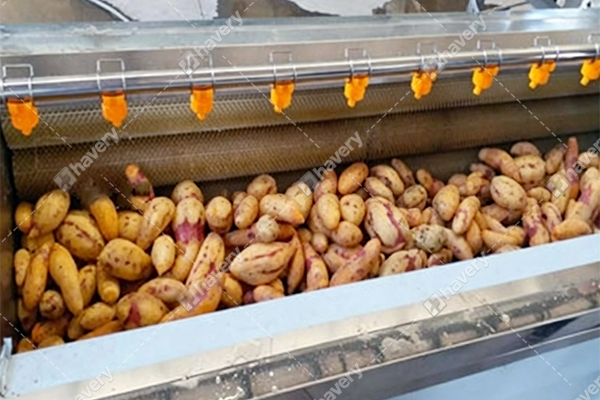
Sweet Potato Washing And Peeling Machine Price is a critical consideration for industrial food processors seeking to optimize root vegetable pre-treatment efficiency. In the context of brush-type equipment, the potato washing and peeling machine is typically positioned within a flexible pricing range determined by technical specifications rather than fixed values. This machine integrates mechanical friction peeling and continuous water-assisted cleaning, making it particularly suitable for sweet potatoes with irregular shapes and variable skin thickness. From an engineering and procurement perspective, the cost of a potato washing and peeling machine is primarily influenced by factors such as processing capacity, brush roller configuration, material grade, automation level, and system integration requirements, all of which directly impact performance, durability, and long-term return on investment.
What Is a Brush-Type Potato Washing and Peeling Machine?
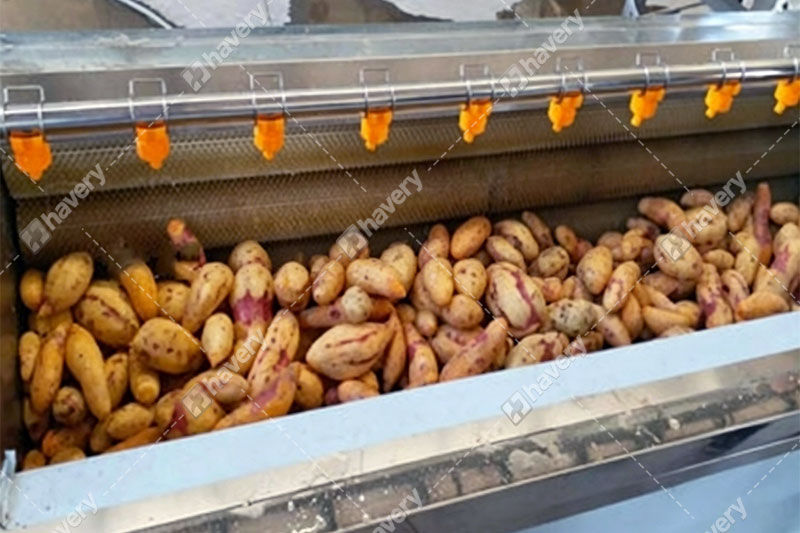
The potato washing and peeling machine uses rotating brush rollers combined with water spray to remove dirt, impurities, and outer skin from sweet potatoes. The brushes can be made of soft or hard materials depending on whether gentle cleaning or deep peeling is required. This makes the machine highly adaptable for different processing needs.
Key Factors Affecting Potato Washing and Peeling Machine Price
1. Machine Capacity and Output
One of the most important factors influencing the cost of a potato washing and peeling machine is its processing capacity. Machines designed for small-scale operations have lower output, while industrial models can handle large volumes continuously. Higher capacity usually means a more robust structure and stronger motor, which directly impacts pricing.
2. Brush Roller Configuration
The type, quantity, and material of brush rollers significantly affect the performance and cost of the potato washing and peeling machine. Hard brushes are typically used for peeling, while soft brushes are suitable for cleaning. High-density or wear-resistant brushes increase durability but also raise the overall investment.
3. Material and Build Quality
Most industrial-grade potato washing and peeling machine units are made of stainless steel to meet food safety standards. The thickness of the steel, corrosion resistance, and welding quality all influence the final cost. Machines with higher-grade materials offer longer service life and better hygiene.
4. Automation Level
Automation plays a crucial role in determining the price of a potato washing and peeling machine. Basic models require manual feeding and discharge, while advanced systems can be integrated into fully automated processing lines. Features like automatic water circulation, variable speed control, and intelligent operation panels increase efficiency but also add to the cost.
5. Additional Functional Features
Some potato washing and peeling machine models come with optional features such as water filtration systems, peeling waste collection, and adjustable brush speed. These enhancements improve performance and reduce labor but will influence the overall pricing structure.
6. Power and Motor Specifications
The motor quality and power rating directly affect the stability and efficiency of the potato washing and peeling machine. Energy-efficient motors and reliable electrical components ensure long-term operation, especially in continuous industrial environments.
7. Customization and Production Line Integration
If the potato washing and peeling machine is part of a complete processing line, customization becomes essential. Integration with cutting, drying, or frying equipment may require tailored design, which impacts the final quotation.
Why Choose a Brush-Type Solution?
The brush-type potato washing and peeling machine is highly favored for its balance between efficiency and product integrity. It minimizes raw material loss while ensuring clean and uniform peeling. This is particularly important for sweet potato processing, where maintaining shape and quality is critical.
Conclusion
In summary, the price of a potato washing and peeling machine depends on multiple factors including capacity, configuration, materials, and automation level. Choosing the right machine requires balancing budget with production needs and long-term operational efficiency. A well-selected potato washing and peeling machine can significantly improve productivity, reduce labor costs, and ensure consistent product quality.
If you found this guide helpful, feel free to leave a comment or share this article with your network. For more professional insights or detailed machine solutions, don’t hesitate to reach out—we’re always ready to help you find the most suitable equipment for your business.
